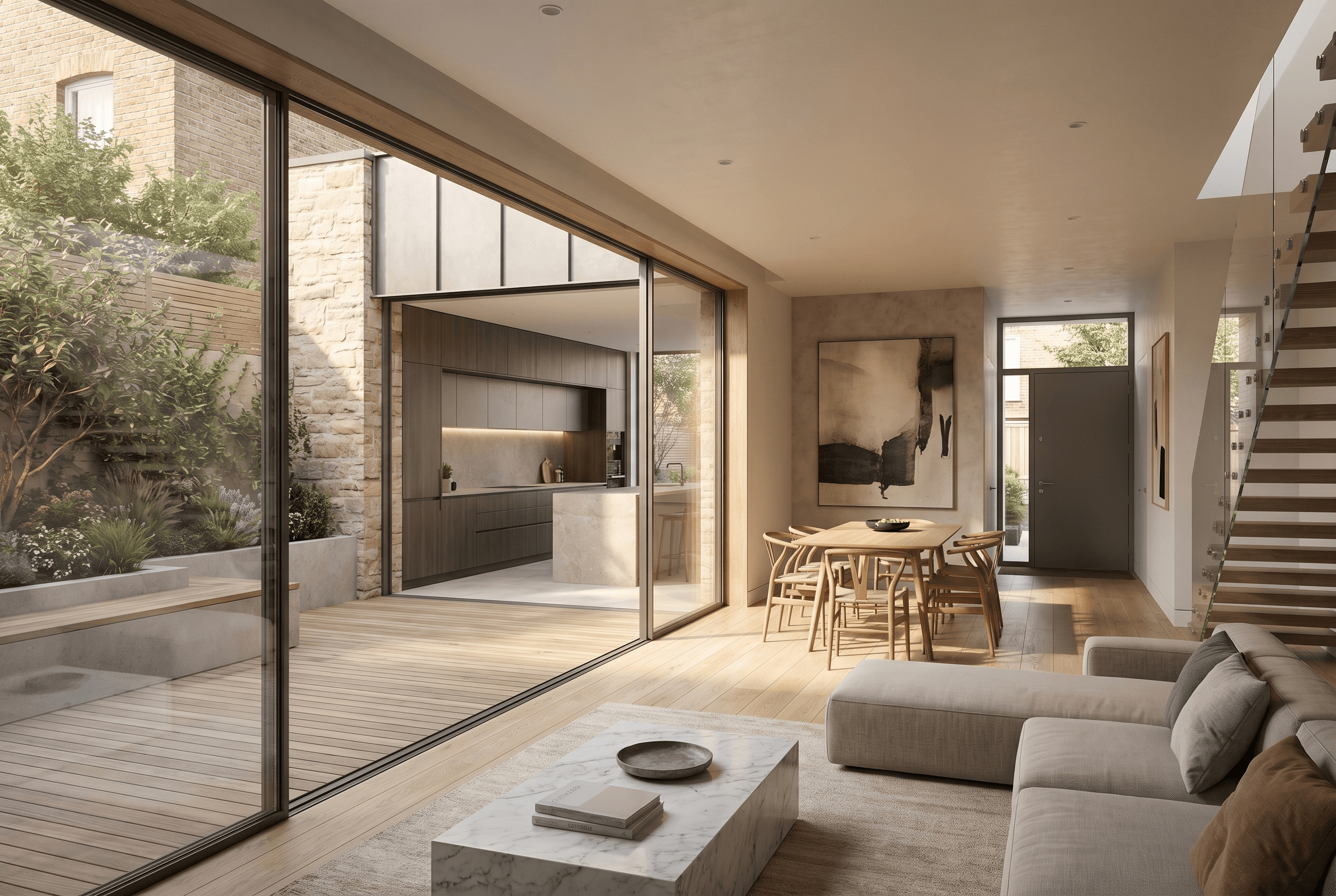


We start with people, not plans.
We plan and create homes around how you live.
Every home has untapped potential. Not because of its size. But because of how it supports the people who live there.
The Plan stage helps us understand your routines, priorities, frustrations and aspirations before we begin designing solutions. It is also where we establish feasibility, what your home can accommodate, and whether your project needs planning permission or falls under permitted development.
When we understand your life first, we make better architectural decisions later.
“A strong start creates a better outcome. When the plan is right, the rest moves with ease.”
- The Elemented Team
What’s included.

Hospitality Thinking starts here.
The best hospitality experiences are carefully planned long before guests arrive.
The same is true of exceptional homes.
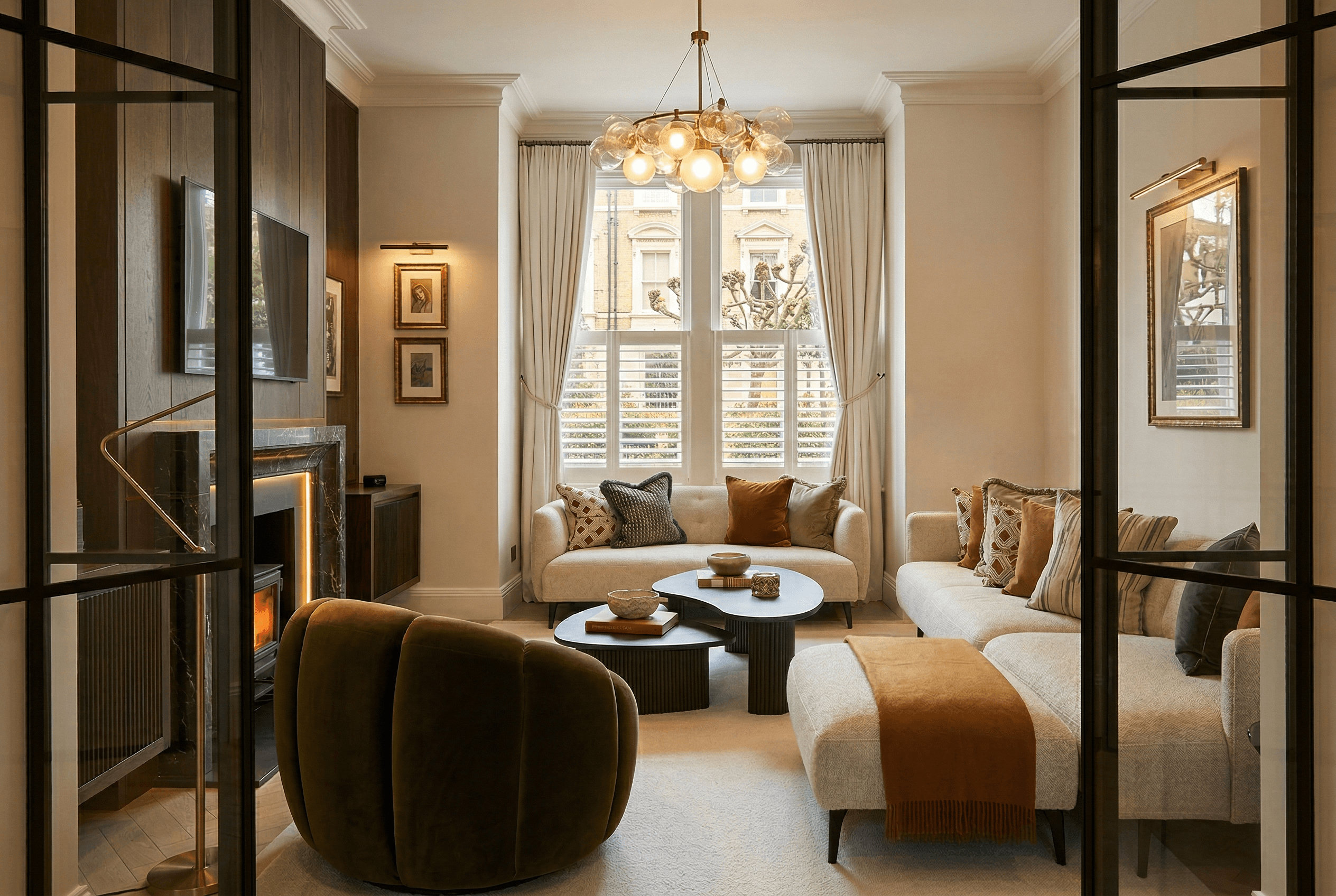
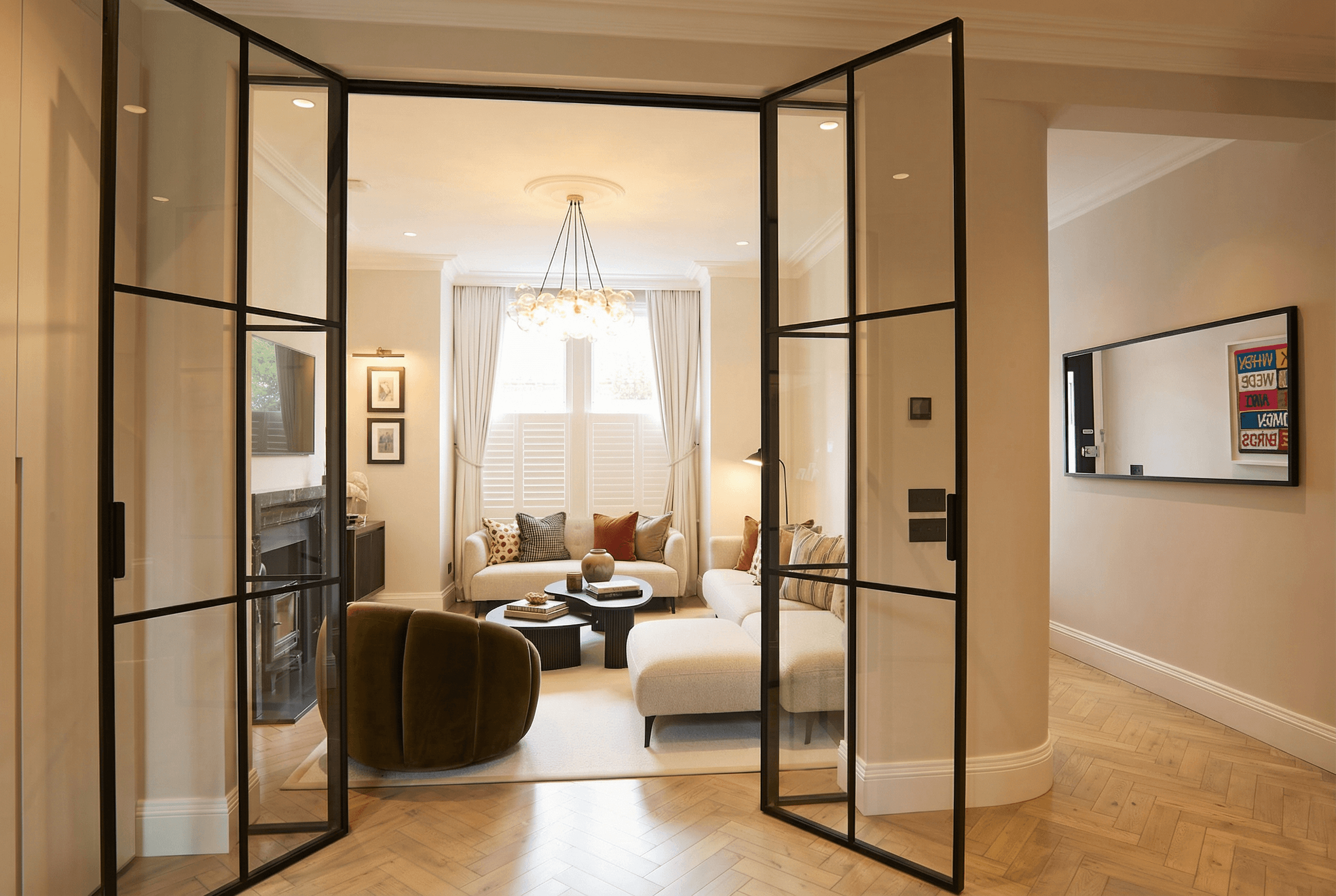
This is where we begin thinking about arrival, movement, light, connection, privacy and comfort. Not as design features. As everyday experiences.
These principles guide every decision that follows, creating homes that feel intuitive from the moment you walk through the door.
Everything mapped.
Nothing rushed.
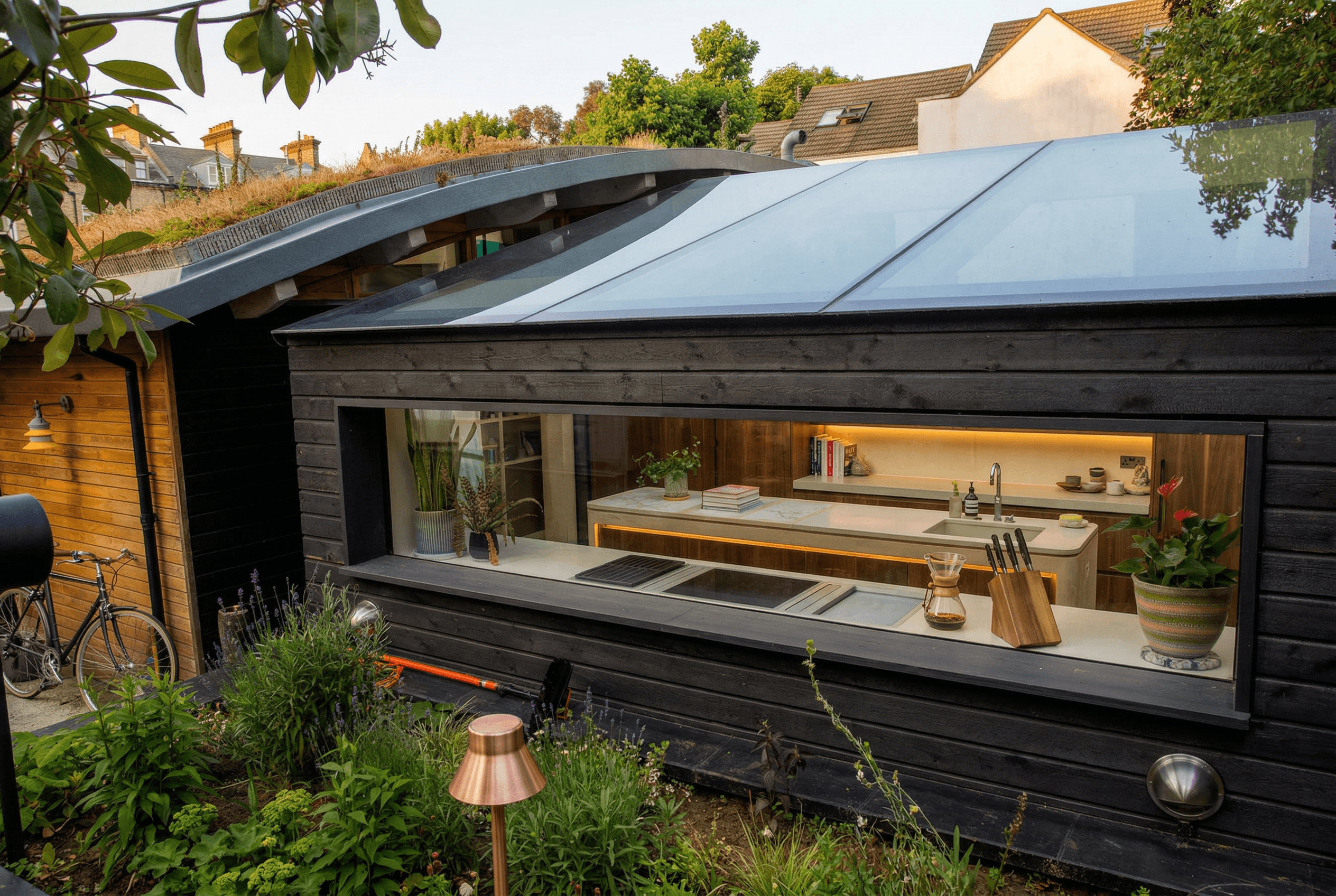
Why we don't start with drawings.
Many homeowners believe the first step is producing drawings. We disagree.
Drawings answer architectural questions. Planning answers lifestyle questions, and settles feasibility, permissions and any conservation-area constraints, with an architect.
Only when those questions have been answered should design begin. It is a quieter, more thoughtful approach.
And it almost always leads to better homes.
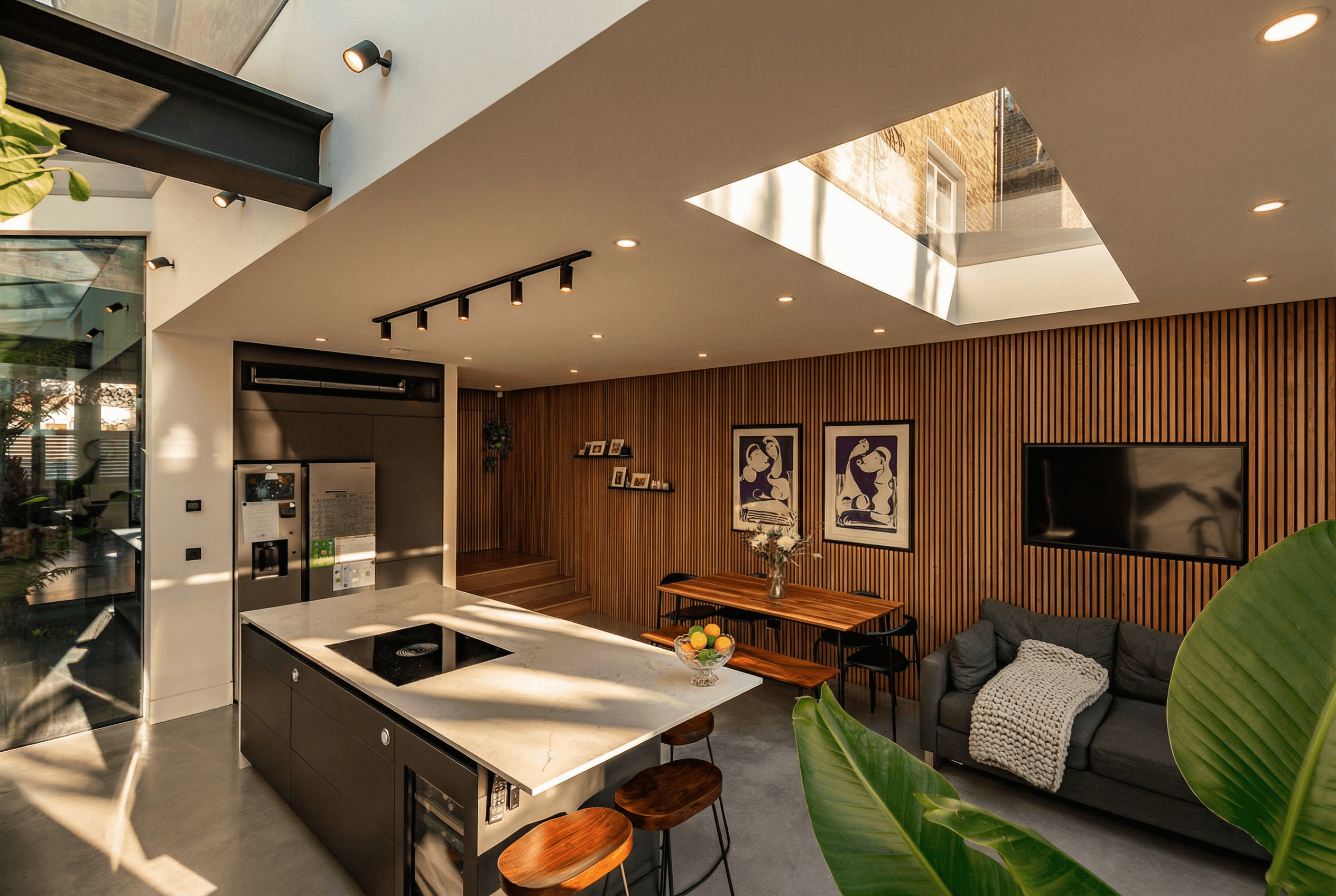
Who we work with.
We work with people who want clarity before commitment.
Whether it’s a full renovation or a refined upgrade,
planning is where the calm begins.
If you are ready to move into design.

Our journal.
Do I need planning permission for an extension?
Not always. Some extensions fall under permitted development, but a period home, a conservation area, or anything beyond the permitted limits will usually need planning permission. The Plan stage establishes which route applies before any design work begins.
What is a feasibility study, and why start with one?
It checks what your home can realistically accommodate, structurally, legally and practically, before you invest in design. It is where the expensive questions are answered while they are still cheap.
What is the difference between planning permission and permitted development?
Permitted development allows certain changes without a full application, within set limits. Planning permission is the formal application needed when a project goes beyond those limits or sits in a conservation area.
How long does planning permission take in south west London?
A householder application is usually determined in around eight weeks once validated, though conservation areas and listed buildings can take longer. Preparing it properly up front is what avoids delays and refusals.
How is the Plan stage delivered?
As the Clarity Pack, which is the first step on every Elemented project. It is where feasibility, the planning route and the budget are settled before any design work begins. What the Clarity Pack covers, and the levels available, are set out on the Clarity Pack page.